Cervical Radiculopathy / Nerve Compression
May involve neck pain radiating into the shoulder or arm, or hand numbness. We can work with medical referrals and reports to assess function and plan treatment and rehabilitation.
An urge to rub your shoulders at work, or discomfort turning, reaching or exercising? We assess symptoms, activity, work habits and related areas to design suitable treatment and movement practice.
Enquire About Neck & Shoulder Assessment ↗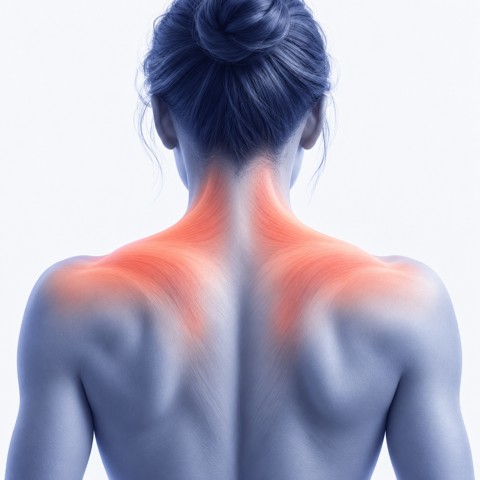
Similar sensations can have different causes, and neck and shoulder symptoms may overlap. Assessment helps clarify them; tell us about numbness, weakness or other changes as well.
Following individual assessment, we can offer treatment, exercise or rehabilitation support for:
May involve neck pain radiating into the shoulder or arm, or hand numbness. We can work with medical referrals and reports to assess function and plan treatment and rehabilitation.
Reports mentioning levels such as C5–C6 or C6–C7 are considered alongside symptoms, strength and movement tests. A spinal level alone does not identify the source of pain.
Movement, treatment and functional practice matched to restriction and stage. Rotator cuff-related shoulder pain and scapular control are also assessed.
Assessing grip, load and upper-limb coordination for lateral or medial elbow pain and repetitive-use forearm or wrist discomfort.
Sustained positions, repetitive work and exercise load may contribute, alongside sleep, stress and previous injury. A posture photograph alone cannot establish the cause of pain.
Computer, phone and repetitive-task time, opportunities to change position and suitable arm support.
Neck, shoulder and thoracic mobility, and scapular and muscle control when reaching or loading.
Workload, training intensity, lifting habits, rest and when symptoms began.
Specific difficulties turning, dressing, working, sleeping or exercising help us set meaningful goals.
We review symptom distribution, history and experience, then assess relevant mobility, muscle and fascial condition, strength and control, observing how activity changes symptoms.
Manual care, physiotherapy or relaxation according to assessment and professional roles, reviewing the response.
Mobility, control, strength and endurance practice, adapting angle, support, resistance and tempo.
Practical changes to the working environment, activity rhythms and daily movements.
Reviewing symptom frequency, activity and life goals to refine the plan.
Regular position changes and short movement breaks may be more practical than holding one sitting posture all day. We review screen height, keyboard and mouse distance, and arm support alongside daily activity.
Exercises and loads follow assessment. Stop the relevant exercise and seek professional assessment if symptoms worsen substantially or new numbness or weakness develops.
Relief is one part. We also consider activity, workload and control, adding exercise and habit changes where appropriate and reviewing longer-term responses.
No. Pain location alone is insufficient. History, movement restrictions and relevant tests guide recommendations.
Not necessarily. We adapt movement, intensity and volume to symptoms and assessment, retaining suitable activity. Injury, numbness or weakness should be clarified first.
A first chronic pain appointment usually lasts 60–90 minutes with the treatment director, including assessment and treatment. Wear comfortable clothing and bring relevant reports.
This depends on your condition, goals and response. Follow-up is discussed after assessment and adapted to progress. Ask about services and fees before booking.
Some cases improve with conservative care and appropriate exercise. Referrals, reports and assessment guide professional input. Progressively worsening weakness or neurological symptoms warrant medical assessment first.
PROFLEX Sports Therapy & Physiotherapy Centre
4A, Wo On House, 8–13 Wo On Lane, Central
+852 9838 4019
Daily & Public Holidays 09:00–21:00 | By appointment