Sciatica & Lumbar Radiculopathy
Radiating leg pain or numbness may involve lumbar nerve-root irritation and other factors. History, testing and medical information guide assessment of function and rehabilitation options.
Back ache after sitting, difficulty bending or buttock and hip discomfort when walking? We explore spine, pelvis and lower-limb coordination, mobility and load responses to create a practical plan.
Enquire About a Personalised Assessment ↗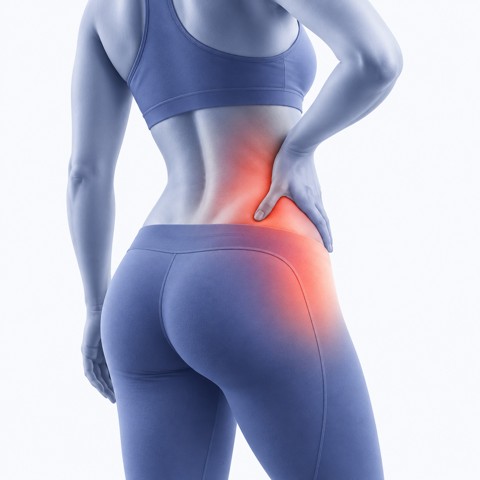
We first understand your situation and goals, then recommend appropriate assessment, treatment or referral.
Following individual assessment, we can offer treatment, exercise or rehabilitation support for:
Radiating leg pain or numbness may involve lumbar nerve-root irritation and other factors. History, testing and medical information guide assessment of function and rehabilitation options.
Including reports describing L4–L5 or L5–S1 changes, with mobility, trunk stability and loading exercises guided by symptoms and function.
Assessing piriformis and gluteus medius function, hip mobility and gait. Buttock tension alone does not establish sciatic nerve compression; lumbar and other causes must be considered.
Personalised care and functional practice considering pelvic control, hip mobility, core stability and daily loading.
Spinal and pelvic position offers one set of clues. Mobility, strength and movement control help identify relevant factors; appearance alone cannot establish a displaced pelvis or the cause of pain.
Observing alignment, tilt and rotation alongside history and movement tests.
How the trunk, pelvis and hips stabilise and produce force when rising, squatting, lifting a leg or carrying objects.
Observing breathing and trunk control where relevant to exercise and activity.
Reviewing sitting, repetitive activity, training, recovery and changes in symptoms.
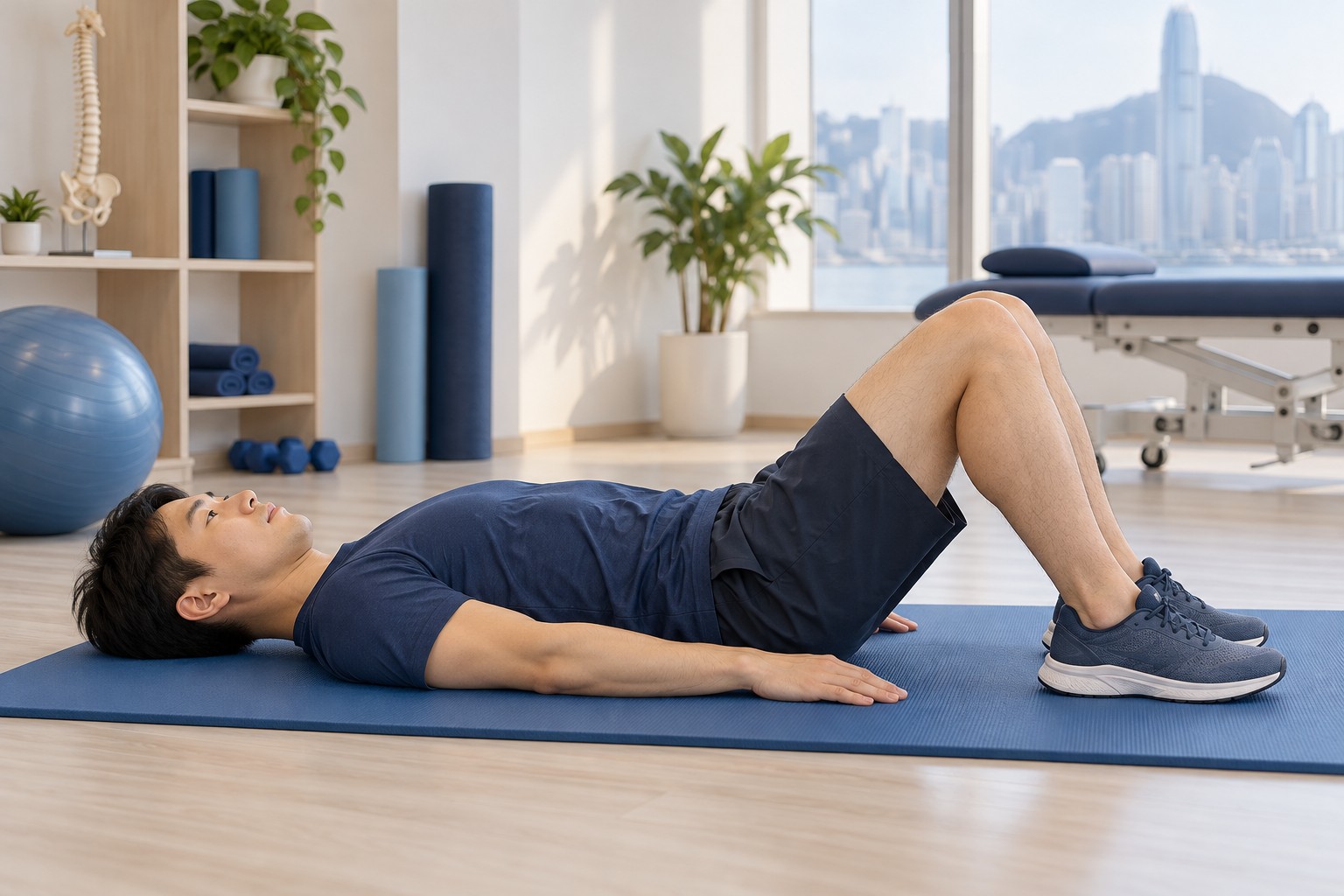
Manual care, physiotherapy and relaxation as needed, reviewing movement and symptom responses.
Progressive trunk stability and hip activation, integrating breathing and adjusting angles and support.
Practising getting up, squatting, lifting and walking before work or sport demands.
Angles, support, resistance, repetitions and tempo are adjusted to ability and response. Images are illustrative; specific exercises follow assessment.
How We Assess & Adapt →Reviewing comfort with sitting, standing, bending, walking and lifting, alongside control and load capacity.
We record treatment, exercises, responses and challenges, using reassessment and team case discussion to guide ongoing adjustments.
Not necessarily. Alignment is only one factor alongside symptoms, mobility, strength, load and other health considerations.
We focus on appropriate effort and relaxation during activity, not constant bracing. Exercises follow assessment.
Yes. Reports, medical advice and functional assessment help us discuss suitable options.
First Visit, Preparation & Directions →
No. Lumbar nerve roots, discs and deep gluteal factors may produce similar symptoms. Piriformis and gluteus medius are considered, but releasing one muscle is not a substitute for assessment.
Share your situation and ask about assessment, service arrangements and fees.
WhatsApp Booking / Enquiries ↗PROFLEX Sports Therapy & Physiotherapy Centre
4A, Wo On House, 8–13 Wo On Lane, Central
+852 9838 4019
Daily & Public Holidays 09:00–21:00 | By appointment