Symptom Patterns
How discomfort relates to activity, rest and posture, and its effects on work, sleep and exercise.
From understanding when pain occurs to finding easier ways to move, assessment informs specific treatment and exercise, which we continually adapt to your response.
Enquire About Your First Assessment ↗We ask where and when symptoms occur, what worsens or eases them and which daily tasks are affected. These clues guide relevant tests, rather than the same assessment for everyone.
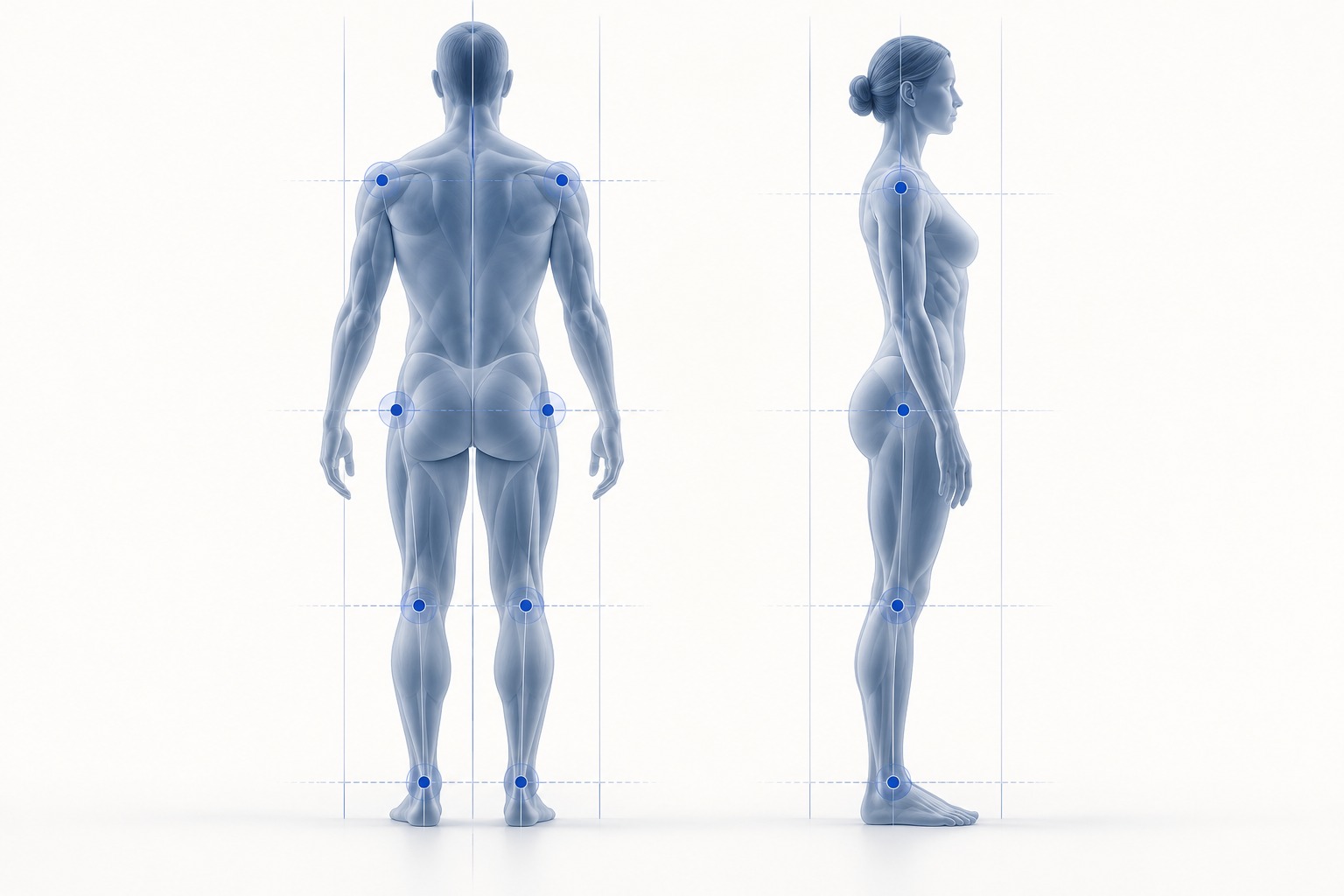
How discomfort relates to activity, rest and posture, and its effects on work, sleep and exercise.
Relevant joint range, muscle and fascial condition, and coordination between body regions.
Standing, squatting, reaching or other relevant tasks to observe effort, coordination and compensation.
Work hours, training, injuries and treatment history help us understand daily physical demands.
We bring the findings together, explain observations and uncertainties, and agree on a direction. Further investigation or referral is recommended where needed.
Treatment and exercise vary between individuals. Restricted movement, tension or discomfort may need attention before practice; suitable exercises then progressively build mobility and control.
Manual care, physiotherapy and relaxation as appropriate, reviewing symptoms and movement afterwards.
Mobility, muscle control and loading exercises address assessed limitations and connect with daily and sporting goals.
Not every appointment uses the same techniques or equipment. The balance of care adapts to your condition on the day.
Changing an angle, support or tempo changes the demands of reaching, squatting or core practice. We observe how you move and adapt the task to your current ability.
More support, a smaller range or lighter resistance can provide an achievable start. We progress with your response, helping you understand how to practise independently.
We agree everyday goals such as sitting more comfortably at work, using stairs confidently or returning to training. Follow-up reviews these goals and repeats relevant tests as needed.
Treatment, practice, responses and challenges are recorded. Weekly team case discussions bring different professional perspectives to follow-up.
As appropriate, we guide breathing, sitting, standing and daily movement, arrange home exercises or provide simple tools so progress continues beyond the centre.
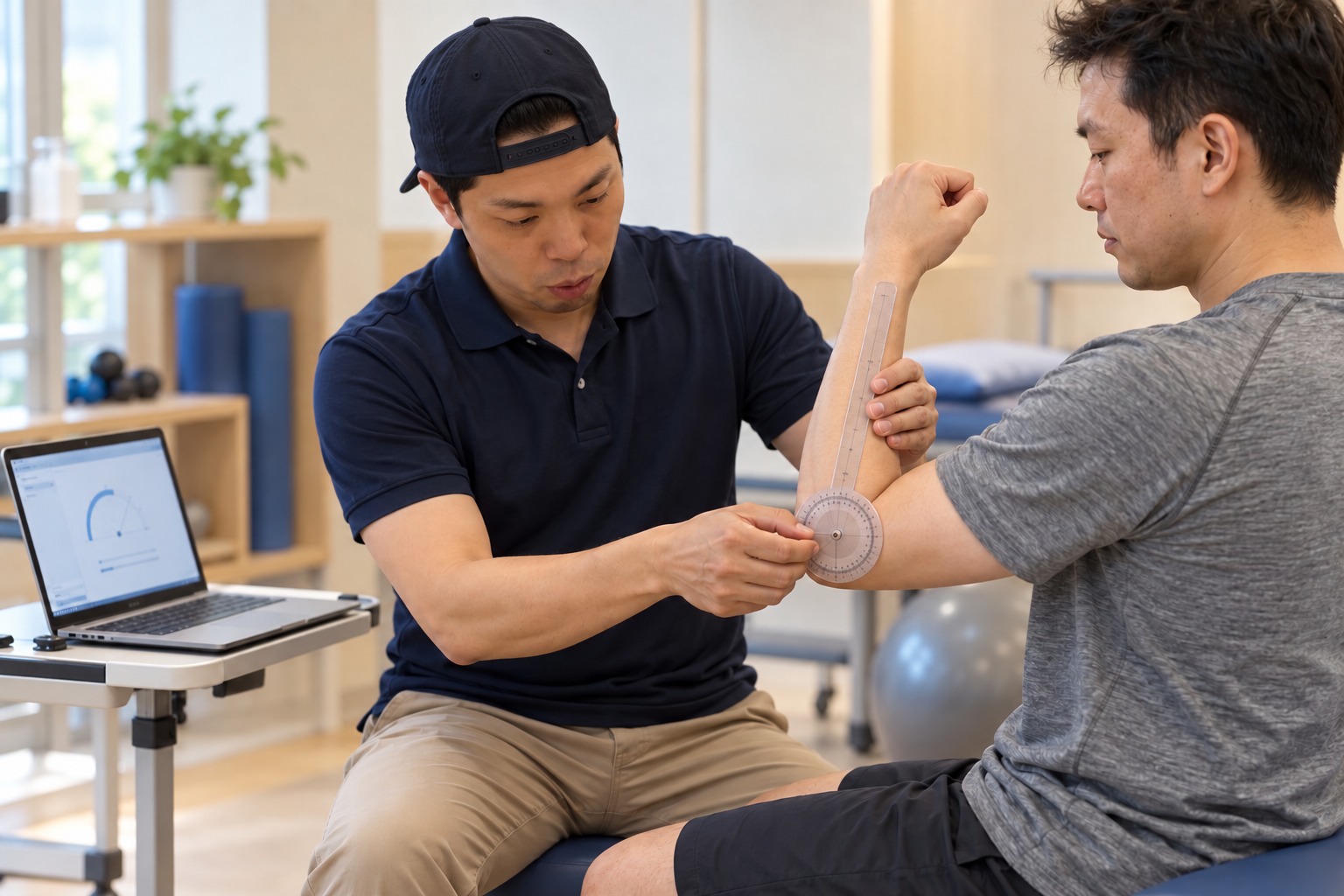
We listen to your concerns and history before relevant physical and movement assessments. We explain findings, agree goals and begin suitable treatment and guidance. You can ask questions or share how you feel throughout.
Wear comfortable clothing that allows movement. Bring relevant reports and treatment records, and briefly describe your main concern when booking.
Assessment, your needs and the relevant professional determine the mix of treatment, relaxation and exercise on the day.
After assessment we discuss follow-up, adapting it to your response and goals. Enquire about services and fees before booking.
4A, Wo On House, 8–13 Wo On Lane, Central. About four minutes' walk from Central MTR Exit D2. The building has a lift; part of the route is uphill.
Share your concerns via WhatsApp and ask about services, fees and your first assessment.
WhatsApp Booking / Enquiries ↗+852 9838 4019
Daily & Public Holidays 09:00–21:00 | By appointment